

Reducing waste costs with smart waste management services is a strategic necessity for Malaysian factories.
With industrial operations growing and disposal fees climbing, manufacturers must now adopt cost-efficient and sustainable practices to stay ahead.
In this article, we will explore practical solutions, available government incentives, and how MM Century supports manufacturers with end-to-end waste strategies that deliver long-term value.
The Real Cost of Factory Waste
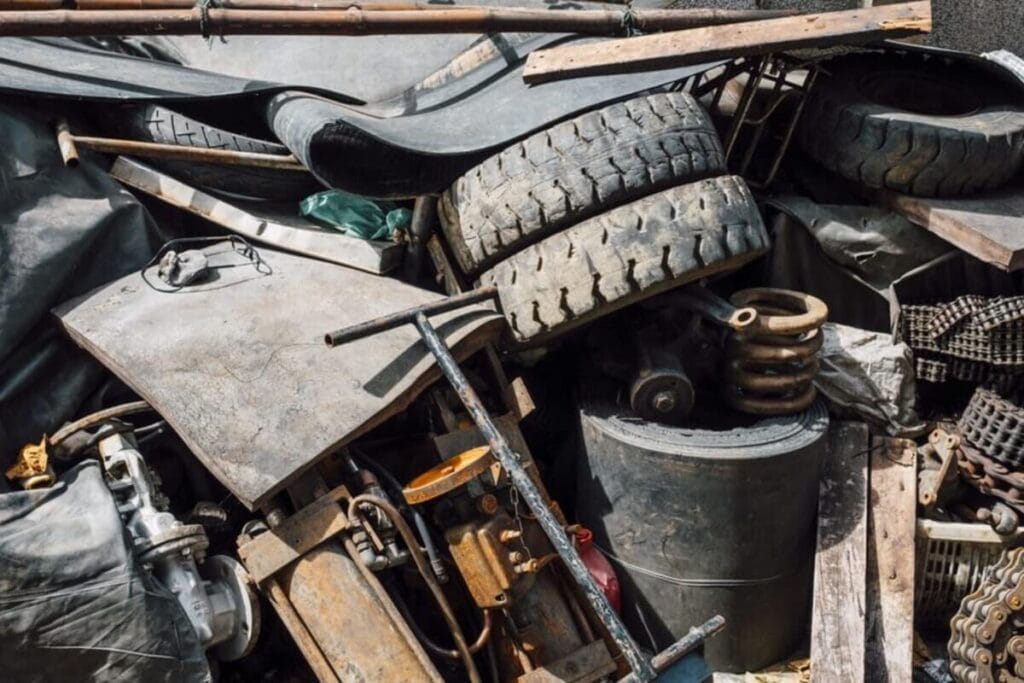
Factory waste does not just harm the environment; it hits your bottom line. Whether it is metal scraps, e-waste, harmful chemicals, or discarded packaging, the cost of improper disposal adds up quickly.
For many Malaysian factories, waste-related expenses include:
- High disposal fees due to rising landfill and treatment charges
- Fines and penalties for non-compliance with scheduled waste regulations
- Storage costs for hazardous materials awaiting safe removal
- Lost revenue from recyclable materials that go to the landfill instead
- Downtime from inefficient or unsafe waste handling processes
- Additional spending may be required to achieve specific sustainability goals
Moreover, poorly managed waste increases risk, from workplace safety hazards to reputational damage and legal liability.
As environmental regulations tighten, factories must focus not only on production output but also on business sustainability, including recycling and disposal practices.
Beyond disposal fees, they may also lose the recoverable value hidden in waste streams if materials are not properly managed or recycled.
Key Strategies to Reduce Waste Costs in Malaysian Factories
To stay competitive, factories must go beyond basic disposal and embrace an integrated and sustainable waste approach. Here is how:
1. Optimise Scrap Recycling
First and foremost, recycling is not just good for the environment; it can reduce waste to landfill while generating returns.
By separating metals, plastics, paper, and e-waste efficiently, factories can work with scrap recycling partners to turn waste into value.
Many providers now offer logistics support, material audits, and buy-back schemes that help improve recovery rates.
2. Managing End-of-Life Industrial Equipment
When decommissioning outdated equipment or shutting down a production line, proper planning is essential.
Professional industrial dismantling or industrial demolition services ensure that reusable materials are salvaged and hazardous components are safely removed.
These services not only cut disposal costs but also reduce liability. Therefore, businesses should look for service providers that offer sustainable industrial decommission solutions that comply with strict local regulations.
3. Train Staff on Waste Segregation and Compliance
Although many factories already sort basic waste, the true savings come from consistency and segregation at source, separating waste right where it is generated, even before collection.
Training staff to properly label and segregate scheduled waste at the point of generation helps prevent contamination and reduces handling fees.
In addition, clearly marked containers, dedicated storage zones, and source-based segregation are simple, low-cost steps that reduce long-term disposal expenses while keeping factories compliant.
4. Conduct Regular Waste Audits
A waste audit reveals where your money is going. Through regular assessments, businesses can identify excess materials, inefficient processes, or missed recycling opportunities.
Many organisations uncover hidden savings and benchmark performance through routine reviews, ensuring continuous improvement.
Beyond physical waste, companies should also be mindful of confidential documents and outdated IT assets.
Secure disposal helps reduce the risk of data breaches while ensuring compliance, a useful step to consider alongside core waste practices.
Read More: MM Century Honoured at The Star ESG Positive Impact Awards 2024 for Waste Management
What Compliance Benefits
Businesses that prioritise greener industry practices and regulatory compliance position themselves as preferred partners in today’s market.
Clients increasingly favour waste management providers who demonstrate environmental responsibility and adherence to regulationsnot only to meet their own sustainability goals but also to minimise compliance risks.
Furthermore, maintaining compliance with the Environmental Quality Act 1974 and the Scheduled Waste Regulations 2005 shields businesses from fines, reputational harm, or forced shutdowns.
Ultimately, by investing in sustainable operations and maintaining strict regulatory compliance, businesses differentiate themselves from less responsible practitioners and build stronger, longer-term client relationships.
Case Study: How Recycling Helped Malaysian Factories Save on Costs
To illustrate the benefits of waste recovery, consider the experience of Malaysia’s manufacturing sector.
One mid-sized factory was generating significant volumes of industrial solid waste, much of which was previously sent to landfill.
Rising disposal fees and storage costs were eating into margins, while recyclable materials were being lost as waste.
By introducing structured recycling and recovery practices, the factory was able to:
- Reuse up to 70% of its solid waste through licensed recyclers
- Reduce landfill dependency and associated disposal charges
- Recover valuable raw materials such as metals, plastics, and paper
- Cut overall waste management costs by more than 30% within the first year
Beyond cost savings, the factory also reported stronger compliance with environmental regulations and improved sustainability reporting.
This shift towards circular practices delivered both financial and reputational value, positioning the business as a sustainable, more efficient operation.
Read More: What is Total Waste Management and Why Your Business Needs It
How MM Century Supports Malaysian Factories
At MM Century, we provide full-spectrum environmental management services tailored to your needs. Our expertise spans:
- End-to-end waste consultancy and customised solutions for diverse industries
- Recycling and material recovery for metals, plastics, and other resources
- Secure handling of confidential documents and IT equipment
- Industrial project support, including dismantling, demolition, and site clearance
- Scheduled and hazardous waste management solutions
Additionally, we ensure documentation, traceability, and compliance with local regulations, giving you peace of mind. Get a Free Waste Cost Analysis today and start saving with MM Century.