
From commercial to industrial waste, this approach reduces landfill impact, recovers valuable materials, and mitigates environmental risks proactively.
Offices, factories, and construction sites all generate recyclable waste, from metals and paper to electronics and concrete.
By identifying what can be recycled and partnering with the right waste management services, businesses can reduce costs, stay compliant, and contribute to a cleaner, more sustainable environment.
Why Recycling Matters in Commercial & Industrial Settings
Recycling in industrial and commercial environments goes far beyond waste bins. It reduces disposal fees, recovers valuable materials, and ensures compliance with local environmental laws.
For commercial spaces, efforts like proper IT asset disposition and confidential document disposal play an important role in managing waste responsibly.
In fact, industries that implement industrial dismantling or industrial demolition services with a recycling-first approach often lower waste volume significantly.
Additionally, working with certified data destruction companies or IT asset disposition companies helps prevent data breaches while keeping e-waste out of landfills.
Beyond savings, recycling shows responsibility and ethicality. Businesses that embrace sustainable practices gain stronger ESG ratings and enhance their brand credibility.
Moreover, it is simply the right thing to do for your community, your employees, and the environment.
What Can Be Recycled from Factories

Factories generate large volumes of recyclable materials, such as packaging components and production byproducts. Common recyclables include:
- Metals: Ferrous and non-ferrous metals from manufacturing lines, broken machinery, or structural elements are ideal for recycling and resale.
- Plastics: Bottles, films, trays, and packaging with proper labelling (e.g. PET, HDPE) can be processed for reuse.
- Paper and Cardboard: Used in shipping and operations, these can be compacted and resold.
- Glass and Packaging: Industrial glass from containers or broken light fixtures is recyclable, depending on purity.
In some cases, waste-to-energy solutions may apply when recycling is not feasible. Factories engaging in industrial decommission or industrial demolition services can significantly reduce waste by partnering with qualified providers to sort and process salvageable items before disposal.
What Can Be Recycled from Commercial Spaces
While commercial spaces like offices may not produce heavy construction waste, they are often filled with overlooked recyclables that can be managed more efficiently:
- Paper waste: White paper, confidential documents, coloured sheets, envelopes, magazines, and newspapers.
- Cardboard: From deliveries, product packaging, and archived files.
- Plastic bottles & food containers: Common in breakrooms and pantry areas.
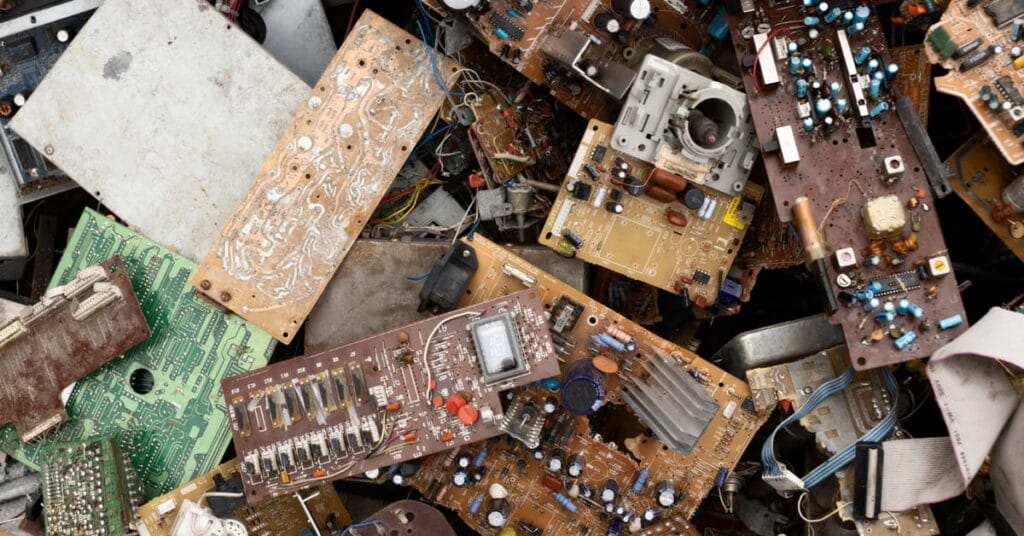
- E-waste: Obsolete computers, printers, and devices fall under IT asset disposition.
Confidentiality is key when it comes to paper and IT equipment. Luckily, there are many providers that offer confidential document disposal and partner with leading data destruction companies to ensure sensitive data is handled securely and responsibly, in full compliance with local waste regulations.
What Can Be Recycled from Construction Sites
Construction and demolition activities produce vast amounts of reusable material. With the right waste management plan, the majority of construction site waste can be recycled.
Top recyclable materials include:
- Concrete and Masonry: Workers can crush these materials and reuse them for road base and foundation layers.
- Wood: Builders can mill reclaimed timber into flooring or reuse it for framing.
- Drywall: Recyclers can repurpose drywall or process it into soil conditioners.
- Steel and Copper: Highly recyclable and valuable, often salvaged from frames, piping, and electrical works.
- Roofing shingles, asphalt, and glass: All recyclable depending on condition and composition.
Engaging industrial demolition services that include a recycling-first approach reduces your environmental footprint while recovering valuable materials.
Common Mistakes Businesses Make
Despite good intentions, many organisations fall into avoidable recycling pitfalls:
- Mixing recyclables and general waste: This often contaminates entire loads, sending recyclable items straight to the landfill.
- Ignoring scheduled waste rules: Items like used oil or batteries require special handling to avoid the risk of heavy fines.
- Failing to document disposal: Lack of traceability can lead to compliance issues or failed audits.
- Skipping secure disposal for data: Improper handling of e-waste and documents puts businesses at risk of data breaches.
Additionally, not partnering with a licensed waste management service provider can result in missed cost-saving opportunities. From incorrect bin placement to poor staff training, small oversights add up.
Read More: Educating Youth on E-waste: GGAF Thematic Workshop
How Our Environmental Waste Management Company Helps
At MM Century, we help businesses navigate complex waste streams with confidence. Whether you need data destruction or full-service support during an industrial decommission, our solutions are safe, efficient, and cost-effective.
Our team provides:
- Waste audit and assessment
- Secure transportation and traceable disposal
- Material segregation and recycling coordination
- Documentation for ESG and compliance reporting
Book a Recycling Assessment today to learn how our sustainable waste management services can help your site reduce waste, recover value, and remain fully compliant from start to finish.