
Plastic recycling in Malaysia is becoming a critical priority for industries facing mounting waste volumes, rising compliance demands, and sustainability goals.
In a country where manufacturers generate significant amounts of plastic waste daily, recycling is not just good practice; it is essential.
With stricter environmental regulations and growing awareness, businesses must shift toward safer, more sustainable waste management strategies.
This article explores how industrial plastic waste is recycled in Malaysia and how MM Century supports manufacturers in turning waste into long-term value.
Understanding Industrial & Plastic Waste in Malaysia
Malaysia’s plastics industry is currently valued at RM30 billion, supported by over 1,300 manufacturers. But the country also ranks high in mismanaged plastic waste, 25.5 kg per person every year (as of 2025).
Following China’s 2018 ban on plastic imports, Malaysia became the primary destination for global plastic scrap.
This surge overwhelmed local infrastructure, resulting in illegal dumping, open burning, and toxic pollution in surrounding communities.
For industrial players, this situation presents both a challenge and an opportunity. With the right approach, plastic waste can shift from liability to a valuable resource.
The Future of Plastic Waste Recycling with MM Century
MM Century is a licensed plastic recycling company in Malaysia, offering tailored services to manufacturers and industrial zones.
From collection to documentation, the company ensures full compliance with local regulations while helping clients reduce costs and environmental impact.
Whether in automotive, packaging, or plastics manufacturing, MM Century’s end-to-end process helps businesses recycle smarter and stay audit-ready.
Read More: A Complete Guide to Data Destruction & IT Asset Disposal in Malaysia
Challenges in Industrial Waste Disposal
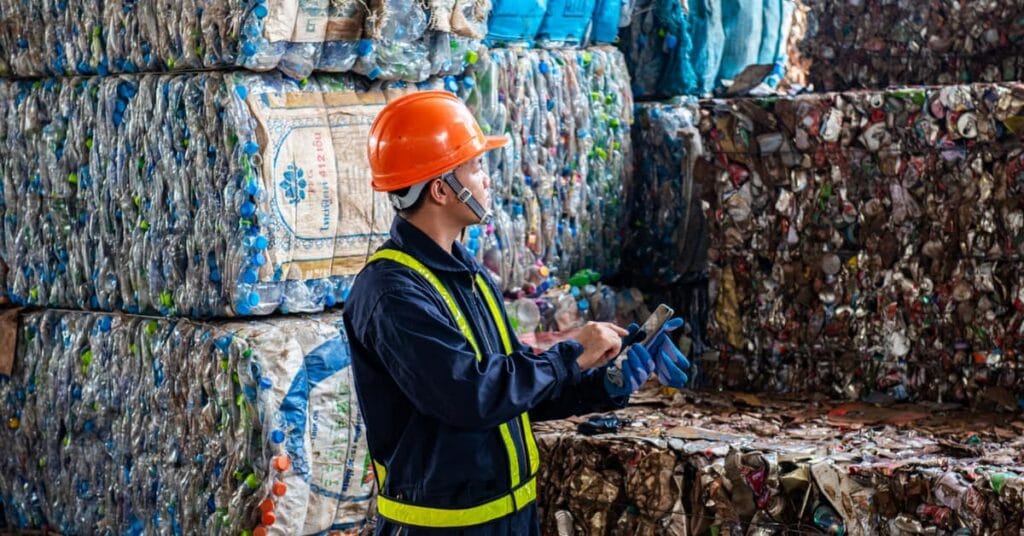
Despite the potential of recycling, Malaysia’s industrial waste landscape still grapples with several barriers:
- Infrastructure Gaps: Many facilities lack modern processing equipment and systems.
- Regulatory Gaps: Stronger government support is needed to tighten enforcement and curb illegal operations.
- Cost Concerns: High setup costs for recycling facilities deter investment.
- Limited Awareness: Some manufacturers still choose disposal over recovery due to outdated practices or cost perceptions.
Addressing these issues requires both government oversight and industry participation, and that starts with adopting best practices in sustainable plastic waste management.
From Collection to Processing: MM Century Workflow
MM Century’s industrial plastic recycling workflow is built for scale and compliance:
1. Collection
First, waste is gathered from factories, warehouses, or commercial facilities.
2. Segregation
Plastics are then sorted by type, grade, and recyclability to maximise recovery value.
3. Crushing
Next, materials are crushed into manageable sizes for easier handling and reduced storage space.
4. Recycling
Crushed plastics are then recycled into different grades, which will be sold to manufacturers.
5. Sales
Lastly, recyclables are sold as raw materials to manufacturers or downstream recyclers, closing the loop and creating new revenue opportunities.
Benefits for Manufacturers and Industrial Zones
Adopting plastic recycling offers more than just compliance. For industrial players, the benefits are tangible:
- Cost Efficiency: Reduce dependency on raw materials and lower procurement costs.
- Regulatory Compliance: Stay ahead of local regulations and avoid fines.
- Brand Reputation: Strengthen ESG credentials and attract eco-conscious clients and investors.
- Job Creation: Grow green sector employment and local skills.
- Resource Optimisation: Increase yield per input by reusing materials within your production ecosystem.
Environmental and Economic Impact of Recycling Right
Unfortunately, Malaysia recycles only 19% of its plastic waste, losing up to RM4.8 billion annually in unrealised material value. Improved recycling could unlock an estimated RM5.5 billion each year (as of 2025).
Currently, the recycling sector contributes RM4.5 billion to the economy. With improved technology and investment, this could grow to RM15–20 billion.
Environmentally, recycling reduces landfill use, emissions, and pollution, supporting Malaysia’s shift toward a circular economy.
It also protects communities from unregulated burning and dumping, which cause severe health and environmental hazards.
Types of Recyclable Industrial Plastics
Recycling success starts with understanding what can be processed. Here are some of the most common industrial plastics MM Century handles:
Plastic Type | Uses | Recycled Products |
PET (Polyethylene Terephthalate) | Bottles, containers | Fibres, new bottles |
HDPE (High-Density Polyethylene) | Pipes, bins, jugs | Crates, piping |
LDPE (Low-Density Polyethylene) | Bags, wraps | Liners, tubing |
PP (Polypropylene) | Automotive parts, containers | Fibres, parts |
PVC (Polyvinyl Chloride) | Pipes, packaging | Flooring, piping |
PS (Polystyrene) | Packaging, insulation | Frames, panels |
Read More: MM Century Invests in EV Forklift to Enhance Green Waste Management
Start Recycling the Smart Way with MM Century

Managing plastic waste in industrial settings requires more than just awareness; it demands a structured, compliant, and sustainable approach.
As a certified plastic recycling company in Malaysia, MM Century offers total, environmentally friendly waste management services, ensuring your business remains compliant, secure, and environmentally responsible.
Book an assessment with our team today, and start recycling the smart, sustainable way.
Stay Looped In
Want updates like this delivered straight to your inbox?
Subscribe to Looped In, MM Century’s official monthly newsletter that covers sustainability insights, industry highlights, and the stories behind our environmental impact.