
Choosing the right waste management company can make a major difference in how your business handles its waste.
In Malaysia’s evolving regulatory landscape, businesses require an end-to-end solution that aligns with environmental compliance, cost efficiency, and ESG goals.
This is where Total Waste Management comes in. Delivered by experienced providers like MM Century, total waste management offers a smarter, more integrated way to manage all waste streams under a single, strategic plan.
Overview of Total Waste Management
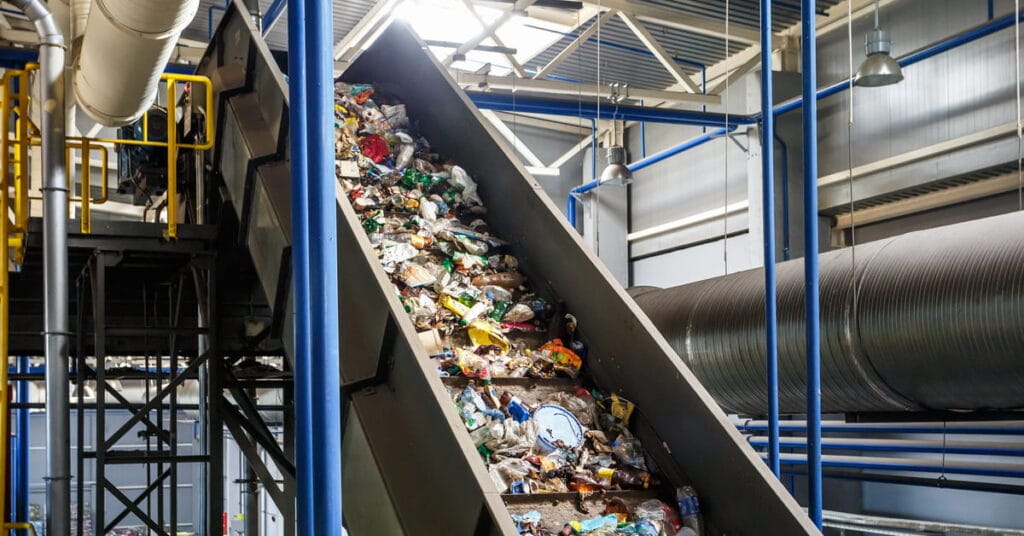
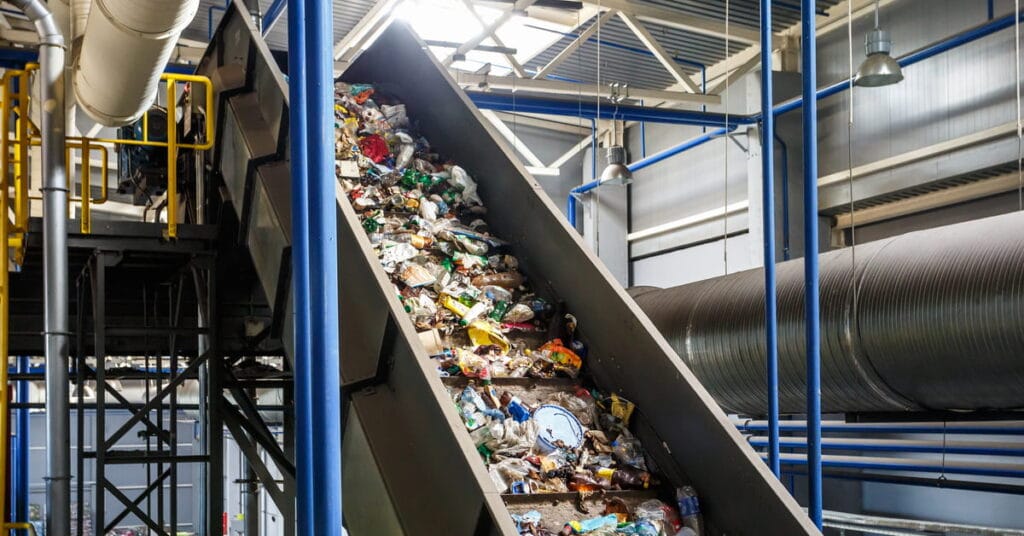
Total waste management refers to the handling of all types of waste generated by a business, from collection and segregation to treatment, recycling, and final disposal.
Rather than managing waste streams individually, total waste management consolidates everything under a single strategy managed by a professional waste management company. Key components of total waste management include:
1. Waste audits and categorisation
Assessment and classification of all waste types generated, enabling curated strategies tailored to each business’s unique needs.
2. On-site waste handling and logistics coordination
Efficient collection, segregation, and storage solutions tailored to the layout and operations of the facility.
3. Regulatory compliance management
Adherence to local and international environmental laws, including documentation, labelling, and reporting requirements.
4. Recovery and recycling of valuable materials
Diverting recyclable and reusable materials, such as scrap metal, paper, plastics, and organics, from landfills to approved recycling channels.
5. Data tracking, reporting, and ESG documentation
Detailed waste tracking and reporting to support internal audits, sustainability reporting, and corporate ESG performance metrics.
Read More: MM Century Invests in EV Forklift to Enhance Green Waste Management
Categories of Waste Handled
At MM Century, we manage a wide range of waste types with strict adherence to DOE (Department of Environment) standards under our total waste management service:
1. General Waste
This category includes non-hazardous, everyday waste commonly generated by businesses across commercial, retail, and office environments. Examples include:
- Paper products, cardboard, and printed materials
- Plastics such as containers, bottles, and wrappers
- Organic and food waste from F&B services or office pantries
2. Industrial Waste
Industrial waste refers to waste generated during manufacturing, processing, or production activities. This can range from residual materials to production scraps and sludges. Common examples include:
- Production by-products such as sludge, dust, and scrap metal
- Spent materials from machining, coating, or packaging processes
- Off-spec products and damaged goods
3. Hazardous and Scheduled Waste
These waste types are regulated under Malaysia’s Environmental Quality (Scheduled Wastes) Regulations 2005, and require specialised handling, storage, and disposal. Examples of commonly managed scheduled wastes include:
- SW 110 – Electronic Waste: Used batteries, circuit boards, and outdated electronics
- SW 104 – Solder Waste: Residues from soldering processes used in electronics manufacturing
- SW 108 – Zinc Dross & Dust: By-products from galvanising and metal coating operations
- SW 325 – Uncured Resin Waste: Chemical residues from production involving synthetic resins and adhesives
How It Reduces Costs and Boosts ESG Performance
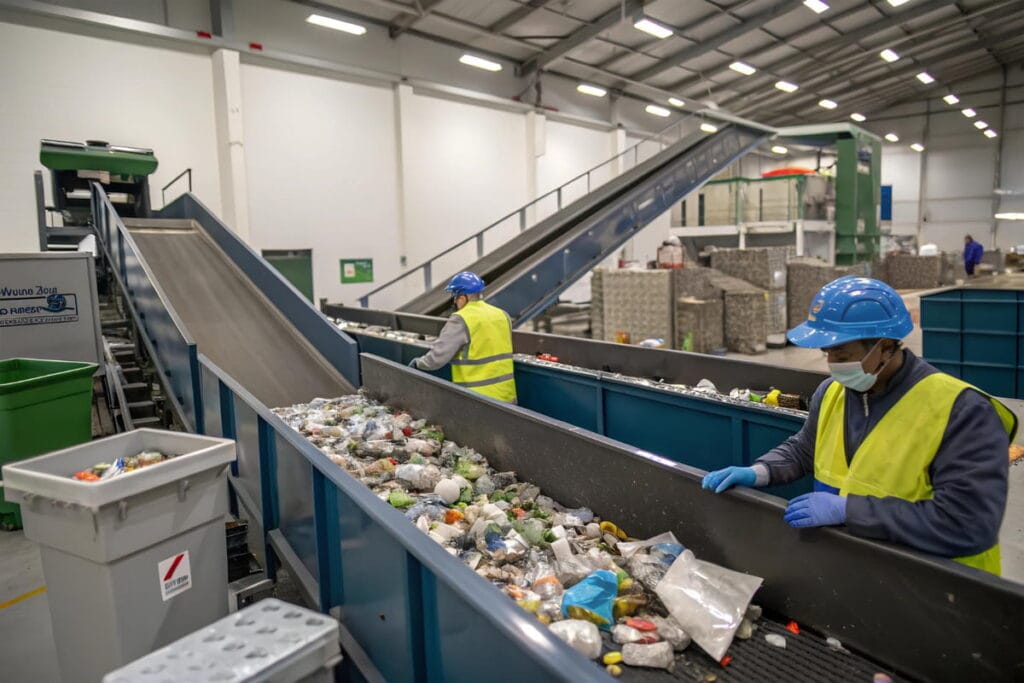
Engaging a single waste management company in Malaysia for total waste solutions brings both financial and sustainability benefits:
- Lower operational costs: Consolidated services mean fewer vendors, reduced waste handling expenses, and optimised collection routes.
- Improved resource recovery: Through scrap metal recycling, plastic reprocessing, and organic waste diversion, businesses can reduce disposal volumes and even generate secondary revenue.
- Regulatory compliance: Avoid penalties and legal risks by meeting DOE requirements for hazardous waste handling and reporting.
- Enhanced ESG performance: Transparent waste tracking, carbon impact reduction, and better sustainability reporting align with corporate ESG goals and investor expectations.
Read More: MM Century Wins Esteemed ESG Positive Impact Award in Waste Management Category
Case Studies from Leading Malaysian Businesses
1. Manufacturing
A mid-sized manufacturer reduced costs and improved recycling by consolidating all waste streams under MM Century’s total waste management system.
2. Retail & Distribution
A nationwide retailer streamlined waste handling across outlets, improving segregation and minimising landfill use through regular audits and scheduled collections.
3. Logistics
A logistics provider enhanced compliance and reduced operational complexity by centralising the management of packaging waste, scrap, and scheduled waste.
4. Commercial Offices
A commercial property improved recycling rates and tenant participation by implementing structured collection schedules and proper waste education.
MM Century’s End-to-End Waste Solutions
As a leading waste management corporation, MM Century offers fully customised total waste management solutions tailored to your industry, waste type, and regulatory needs. Our comprehensive services include:
- Site waste audits and segregation planning
- Scheduled collections for general, industrial, and scheduled waste
- Material recovery through certified scrap metal recycling and repurposing
- Disposal at licensed, DOE-compliant facilities
- Full documentation and support for ESG reporting and audits
Learn more about our total waste management services and start a waste audit today to minimise environmental impact and improve operational sustainability — or contact us for expert consultation tailored to your sustainability goals.