
Managing scheduled waste disposal in Malaysia is critical, especially for industries that generate large volumes of hazardous by-products, such as construction, factories, semiconductors, demolition, and other large industries.
Moreover, improper handling of industrial waste not only risks regulatory penalties but also puts workers and the environment in danger.
To manage such waste responsibly, businesses must follow the Environmental Quality (Scheduled Wastes) Regulations 2005 and work with licensed contractors who can ensure full compliance.
In this article, we cover the essentials of scheduled waste in Malaysia, with a focus on industrial waste, relevant regulations, best practices, and how MM Century helps businesses stay on track with current sustainability trends.
What is Scheduled Waste?
In Malaysia, scheduled waste refers to hazardous materials listed under the First Schedule of the Environmental Quality (Scheduled Wastes) Regulations 2005.
These materials are considered dangerous due to their toxic, corrosive, flammable, or infectious nature.
Industrial sites often generate hazardous and non-hazardous waste during operations, maintenance, or decommissioning, including:
- asbestos
- contaminated soil
- chemical residues
- lead-based paint chips
- used lubricants from decommissioned equipment
- Spent catalysts
- Sludge & tank residues
- Mercury-containing devices
- PCB-laden materials
There are multiple regulatory bodies that actively regulate how businesses handle, store, transport, and dispose of these wastes.
Businesses must take these rules seriously to avoid health risks, legal liabilities, and environmental damage.
List of Common Scheduled Wastes in Malaysia
Some of the common classifications for scheduled wastes can reach up to 77 categories. Industrial demolition projects can generate various scheduled waste types, including:
- SW 104 – Waste From the Use of Paints and Coatings: Includes leftover paint, varnish, or coatings used in building materials.
- SW 305 – Spent Lubricating Oil: From machinery, generators, or other mechanical equipment on-site.
- SW 409 – Contaminated Containers and Packaging: Used chemical drums, paint cans, or asbestos bags.
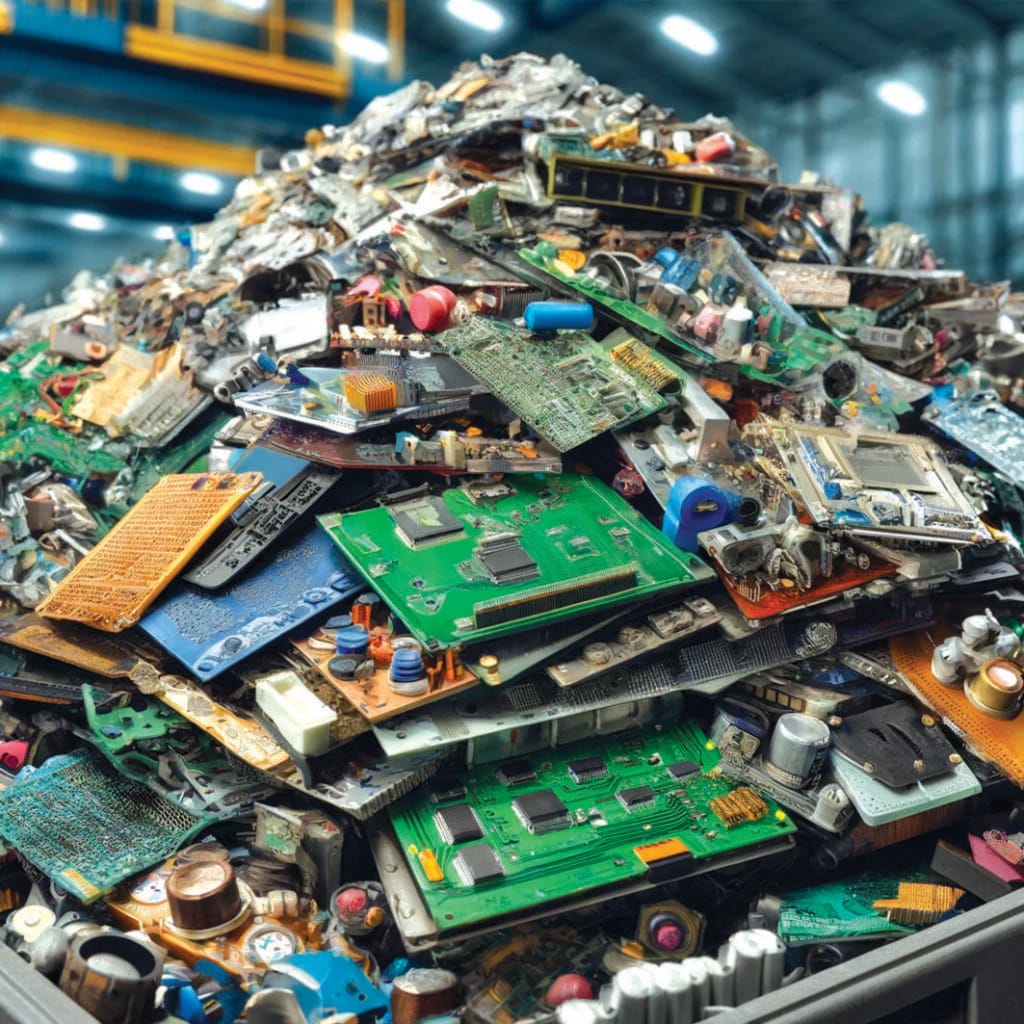
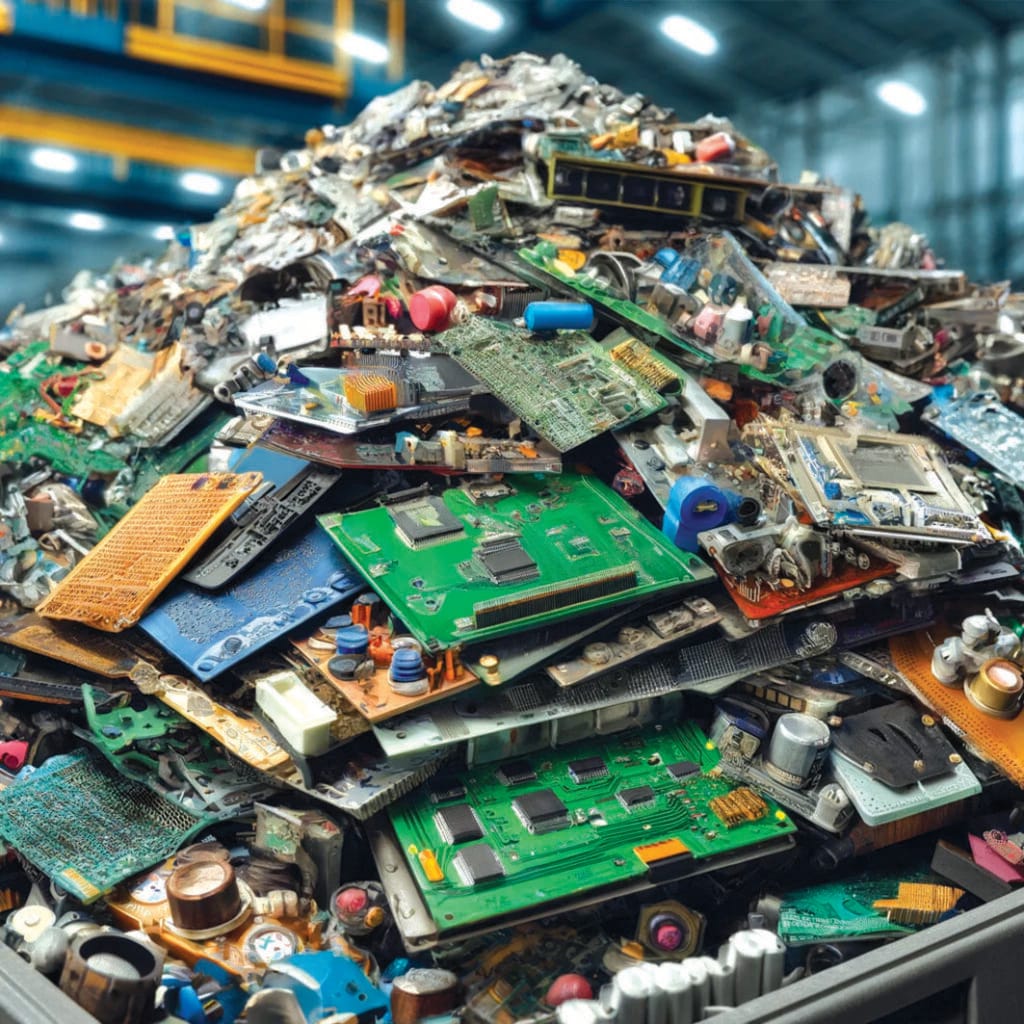
- SW 110 – Electronic Waste: Wiring, switches, sensors, and control panels dismantled from buildings.
- SW 204 – Sludge containing heavy metals: Often found in waste from industrial sites being demolished.
Regardless of volume, businesses must strictly follow the local regulatory agency’s hazardous waste protocols when handling these materials.
Even a single improperly managed container may lead to serious penalties or environmental risks.
Common Procedures & Regulatory Requirements
To carry out scheduled waste disposal in Malaysia, businesses must:
1. Notify the Local Regulatory Bodies
First, companies should inform the local regulatory bodies within 30 days of generating any type of scheduled waste.
2. Store Only in Approved Conditions
Businesses may then store waste for up to 180 days. They also must obtain written permission from the local regulatory bodies if the volume exceeds 20 metric tonnes.
3. Engage Licensed Contractors
Additionally, only premises and transporters certified by regulatory bodies can be used for treatment, recovery, or final disposal.
4. Apply for Special Management (If Needed)
The local regulatory bodies must also approve on-site treatment or recovery.
5. Maintain Complete Records
Most importantly, companies must document all stages of scheduled waste handling and be ready for inspection.
Consequently, failure to comply can lead to fines, prosecution, and suspension of operations, an outcome few businesses can afford.
Collection, Storage & Transportation Best Practices
Proper industrial waste management begins the moment organisations generate waste. Here are some best practices that ensure safety and compliance:
1. Use Durable, Compatible Containers
Store industrial waste, especially liquids or reactive materials, in leak-proof containers designed for the specific waste type.
2. Clear Labelling
In addition, all containers should be labelled clearly with the correct scheduled waste code and relevant hazard information.
3. Dedicated Storage Areas
Businesses should also store waste separately from other operations, with containment measures like concrete flooring, bund walls, and ventilation.
4. Licensed Transporters Only
Moreover, engage only transporters certified by local regulatory bodies who use certified vehicles for collection and delivery.
5. Emergency Preparedness
Furthermore, companies must equip storage sites with fire extinguishers, spill kits, and emergency protocols.
6. Ongoing Staff Training
Lastly, ensure teams know how to handle hazardous waste and respond to accidents or leaks safely.
How MM Century Helps with Scheduled Waste Disposal
As a trusted environmental solutions provider, MM Century offers end-to-end support for managing scheduled waste across demolition, construction, and industrial sectors.
Our services include:
- Waste identification and classification
- Licensed collection and secure transportation
- Proper packaging and labelling assistance
- Safe disposal at certified facilities
- Regulatory compliance support and documentation
With over 36 years of experience, we help businesses reduce risk, improve safety, and meet all DOE requirements.
Whether you’re handling industrial by products, epoxy, zinc, e-waste, or spent oils, MM Century ensures safe, compliant, and sustainable scheduled waste disposal every step.
Get in touch with our responsive team today and let us help you manage your industrial waste the right way.
Stay Looped In
Want updates like this delivered straight to your inbox?
Subscribe to Looped In, MM Century’s official monthly newsletter that covers sustainability insights, industry highlights, and the stories behind our environmental impact.