
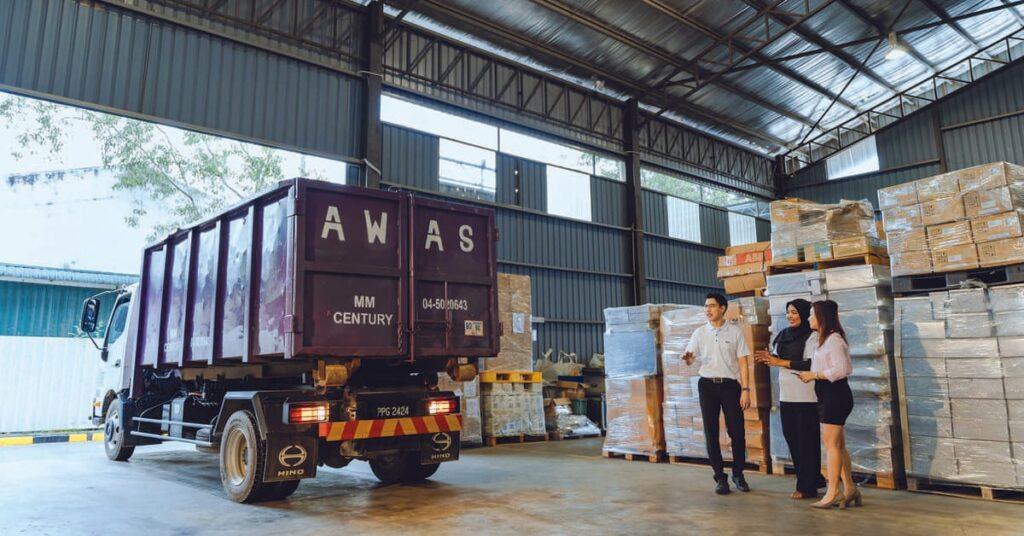
Proper management of scheduled waste in Malaysia is pertinent for safeguarding public health and the environment. With increasing industrial activity and tighter enforcement by regulatory bodies, businesses must adopt responsible waste management practices.
In this article, we’ll explore what qualifies as scheduled waste, the relevant regulations, and how companies like MM Century help businesses stay compliant while minimising their environmental footprint.
What is Scheduled Waste?
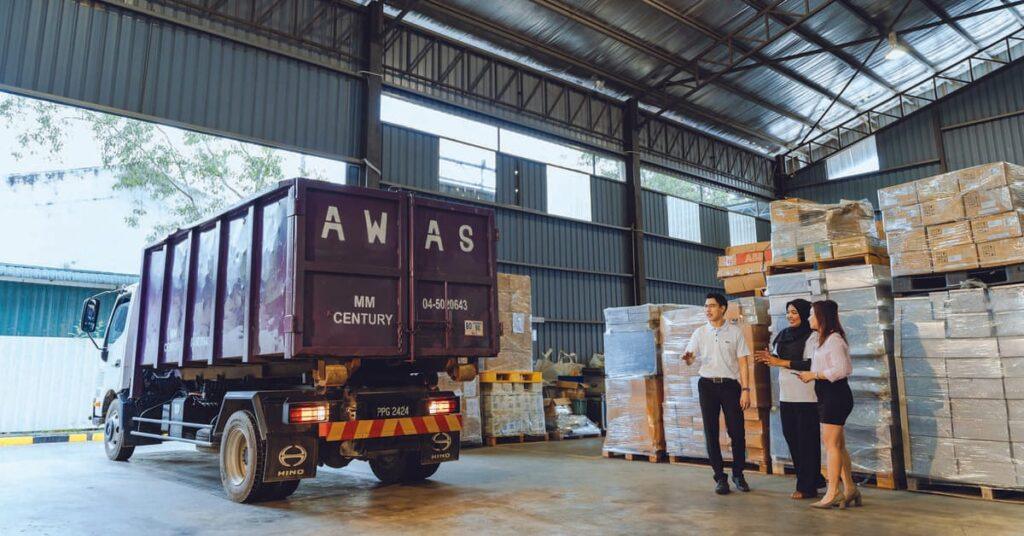
Scheduled waste refers to waste materials that present detrimental risks to human health or the environment due to their hazardous nature. These include chemical residues, solvents, contaminated containers, sludge, and waste from manufacturing or processing activities.
In Malaysia, scheduled waste is regulated under the Environmental Quality (Scheduled Wastes) Regulations 2005, enforced by the Department of Environment (DOE) under the Environmental Quality Act 1974.
Read More: Sustainable Donation Initiatives For Eco Schools by MM Century
List of Common Scheduled Wastes in Malaysia
The DOE has outlined 77 categories of scheduled waste, each with its own code and description to guide proper handling, labelling, storage, and disposal procedures. Some of the most common examples include:
- SW 104 – Waste from the production, formulation, and use of inks, dyes, pigments, and paints: Often generated by printing, coating, and manufacturing processes.
- SW 305 – Spent lubricating oil: Commonly found in automotive workshops, machinery maintenance, and industrial operations.
- SW 409 – Discarded containers, drums, or packaging materials contaminated with scheduled waste: Includes packaging that has held chemicals, oils, or other hazardous substances.
- SW 422 – Spent activated carbon: Used in water treatment, filtration, and purification processes, often saturated with hazardous substances.
- SW110 – Electronic waste (e-waste): Includes used batteries, printed circuit boards, electrical components, and obsolete devices.
Businesses that generate these wastes, whether regularly or occasionally, are legally obligated to handle them in accordance with DOE regulations, with the support of licensed contractors like MM Century.
DOE Licensing & Regulatory Requirements
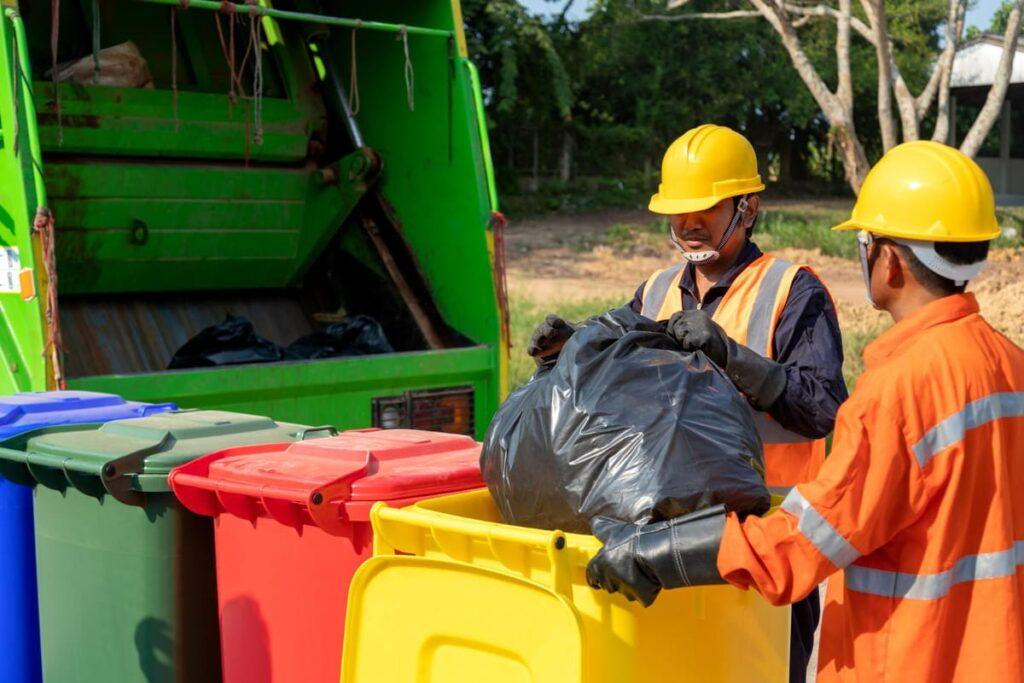
To manage scheduled waste disposal in Malaysia, waste generators must:
- Register with the DOE as a scheduled waste generator.
- Properly label and store all scheduled waste on-site using DOE-approved labels, with clearly identified waste categories and hazard symbols.
- Engage only DOE-licensed contractors for the collection, transportation, treatment, and final disposal of scheduled waste.
- Submit scheduled waste inventory reports using the Electronic Scheduled Waste Information System (e-SWIS) to maintain up-to-date reporting and traceability.
- Retain complete documentation of all scheduled waste handling activities, including manifests, transport records, and disposal certificates, for a minimum of three years.
Failing to comply with these regulations may result in:
- Hefty fines
- Suspension of operations
- Legal prosecution
- Reputational damage
- Environmental liabilities
Read More: MM Century Leads the Charge in Sustainable Data Center Management at DCCI 2024 as Gold Sponsor
Collection, Storage & Transportation Best Practices
Adopting best practices at every stage of the waste management process helps minimise risk, avoid costly incidents, and maintain a clean, compliant facility. Here are the key practices businesses in Malaysia should follow:
1. Store scheduled waste in clearly labelled containers
Labels should include the waste code, hazard classification, and handling precautions. Keep containers sealed and placed away from direct sunlight or flammable materials.
2. Designate a secure, well-ventilated storage area
Scheduled waste should be stored in a dedicated area that is isolated from regular operations to prevent leaks, spills, or unauthorised access.
3. Use licensed transporters for waste movement
Always engage DOE-licensed transporters equipped with approved vehicles and the necessary documentation for scheduled waste collection and delivery.
4. Maintain detailed waste tracking records
Keep accurate logs of waste quantities, types, collection dates, and disposal methods. These records should be retained for compliance audits and regulatory reporting.
5. Train staff on official handling and emergency procedures
Ensure all personnel involved in scheduled waste handling are trained in safe practices, personal protective equipment (PPE) use, and spill response protocols.
How MM Century Helps with Scheduled Waste Disposal
At MM Century, we offer end-to-end solutions for scheduled waste management solutions that help businesses in Malaysia remain compliant, efficient, and environmentally responsible.
Ensuring that your scheduled waste is handled with care, our services include:
- Waste identification and classification
- Licensed collection and secure transportation
- Proper labelling and packaging support
- Disposal at DOE-approved facilities
- Documentation and regulatory reporting assistance
Learn more about our scheduled waste services, which cover E-waste (SW 110), Solder Waste (SW 104), Zinc Dross & Dust (SW 108), and Uncured Resin Waste (SW 325). Request a scheduled waste pickup with our responsive team today.