
Data centre decommissioning is a complex and critical process that requires careful planning, technical precision, and strict adherence to legal and environmental standards.
In this guide, we explain the essential steps to safely decommission a data centre in Malaysia, covering everything from risk management and compliance to secure equipment disposal and best practices to ensure a smooth and successful decommissioning project.
What is Data Centre Decommissioning?
Data centre decommissioning is the structured process of shutting down, dismantling, and securely removing all IT infrastructure and facility components from a data centre.
This multi-step procedure is necessary to ensure that sensitive data is fully protected, all hazardous materials are safely handled, and environmental responsibilities are met. A decommissioning project commonly involves:
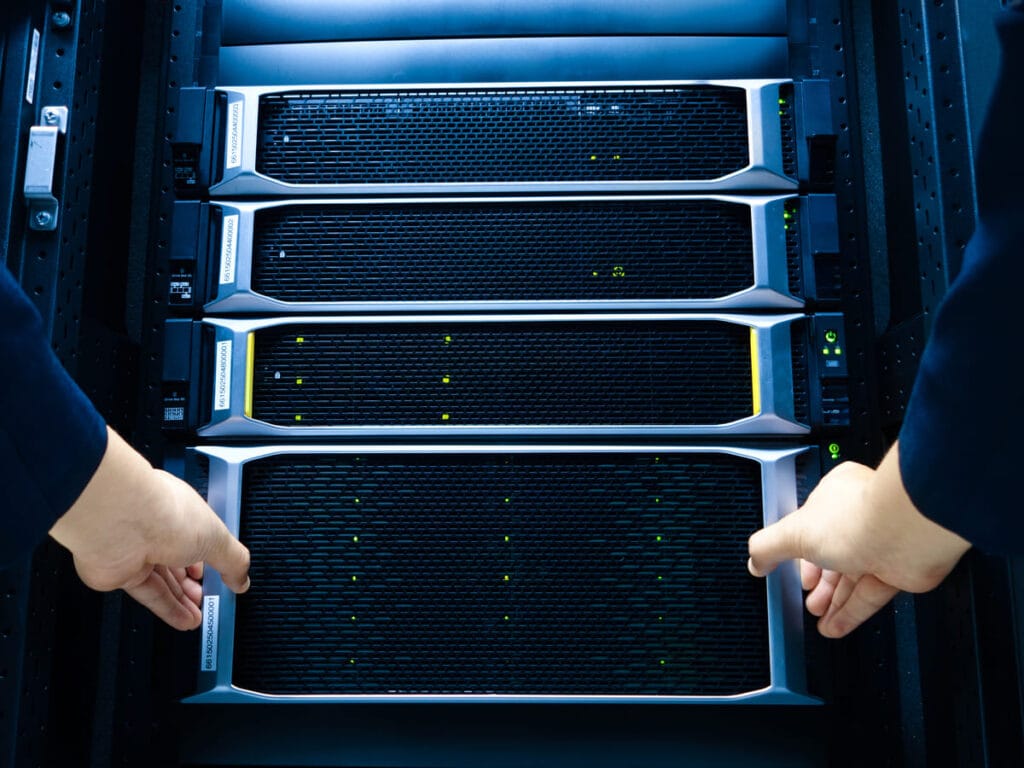
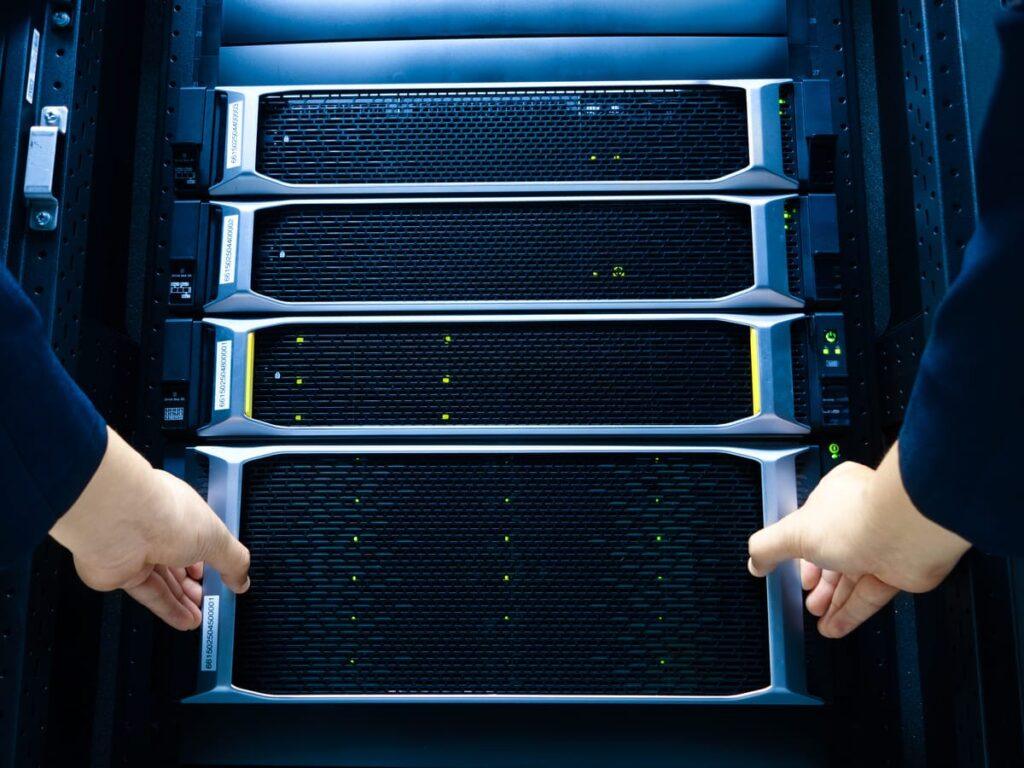
1. Disconnecting and removing servers, storage systems, and networking hardware
Careful disassembly and removal of core IT equipment to avoid damage and maintain asset traceability.
2. Decommissioning of cooling systems, backup power units, and cabling
Safe dismantling of critical facility infrastructure, including HVAC systems, UPS units, generators, and structured cabling.
3. Secure data sanitisation or destruction
Ensuring all data-bearing devices are wiped using certified software or physically destroyed to guarantee data is irretrievable.
4. Hazardous material handling
Specialist management of materials such as lithium batteries, refrigerants, and other regulated substances, in compliance with environmental laws.
5. Recycling and responsible disposal
Sorting, recycling, or disposing of obsolete equipment in an eco-friendly manner to minimise landfill and environmental impact.
Read More: MM Century Wins Esteemed ESG Positive Impact Award in Waste Management Category
Key Risks and Considerations
Decommissioning a data centre involves several critical risks that require proactive management to prevent costly errors, security breaches, and regulatory violations. Some of the key risk areas to consider are:
1. Data security
One of the most significant concerns is ensuring that all sensitive data stored on servers, hard drives, and other storage media is permanently erased or destroyed.
2. Health and safety
The physical process involves handling heavy machinery, electrical systems, and hazardous materials. Without proper safety protocols, there is a high risk of workplace accidents.
3. Environmental risks
Data centres contain materials that, if not disposed of correctly, can cause serious harm. Improper e-waste disposal, in particular, can result in fines and penalties.
4. Operational continuity
In cases where the decommissioning is part of a phased relocation or upgrade, minimising downtime and ensuring business continuity is critical.
Legal & Environmental Compliance Checklist
A successful data centre decommissioning project in Malaysia must comply with a range of legal, safety, and environmental regulations. The main regulations to consider include:
1. Personal Data Protection Act (PDPA) 2010
Mandates the secure destruction of personal and sensitive data.
2. Environmental Quality (Scheduled Wastes) Regulations 2005
Governs the handling and disposal of dangerous waste materials.
3. Occupational Safety and Health Act (OSHA) 1994
Outlines safety procedures for handling workplace hazards.
4. ISO certifications
Following ISO 27001 (information security) and R2/RIOS (recycling standards) best practices boost compliance and accountability.
Read More: MM Century Leads the Charge in Sustainable Data Center Management at DCCI 2024 as Gold Sponsor
Secure Equipment and Data Disposal
Ensuring that no data remains accessible is absolutely pertinent to protect your business from data breaches and legal liabilities. The process for secure disposal comprises of:
1. Certified data wiping
Using verified software tools that meet global security standards to irreversibly erase data from storage devices, leaving no chance of recovery.
2. Physical destruction
Shredding or degaussing hard drives, tapes, and other data-bearing devices to physically destroy the media, making data recovery impossible.
3. Asset tracking and documentation
Keeping a comprehensive record of all decommissioned assets, including serial numbers and destruction methods, and providing Certificates of Destruction.
4. E-waste recycling
Ensuring all end-of-life IT equipment is recycled or disposed of in line with Malaysian environmental standards and global best practices.
How MM Century Supports Full Decommissioning Projects
We offer complete data centre decommissioning services that cover every stage of your project, ensuring a seamless and compliant shutdown. Our expertise includes:
Take the first step towards a secure and compliant decommissioning process with a free site assessment from our experts. We will evaluate your facility’s unique requirements, identify potential risks, and provide custom recommendations—at no obligation.